As we reach the end of the summer holidays, many of us will reflect on time spent enjoying the warmer weather, family breaks and, during the heatwaves, an ample supply of sun cream.
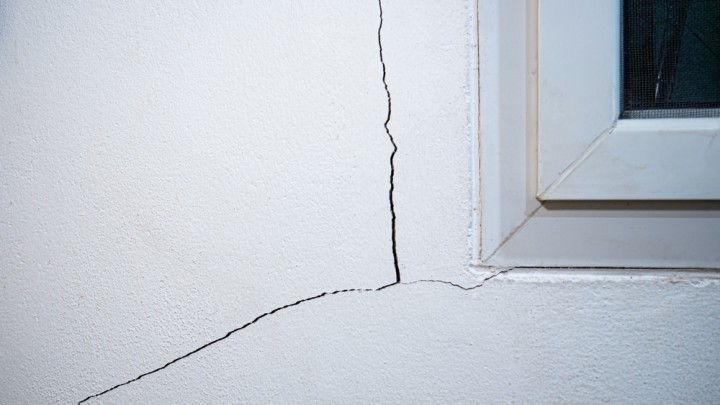
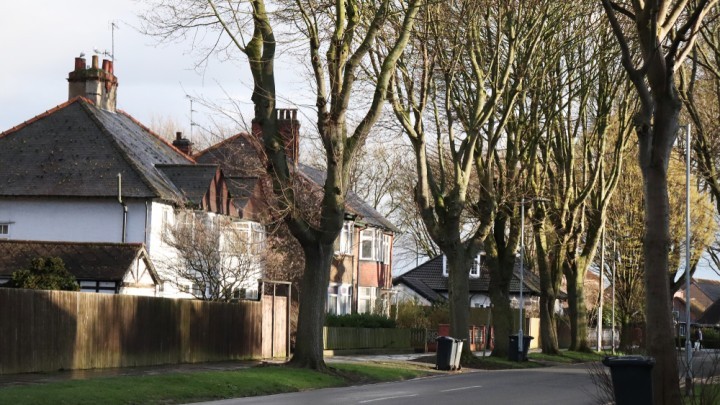
From both an insurance and climate perspective, however, prolonged periods of hot, dry weather present significant challenges. One of the most notable consequences is the increase in subsidence claims. Recent figures published by the Association of British Insurers (ABI) show that insurers paid £153 million in subsidence claims during the first half of 2025, supporting almost 9,000 households, with an average claim cost of £17,264. The ABI has highlighted the increasing impact that climate change is having on subsidence risk, particularly in areas with clay-rich soils that are vulnerable to prolonged periods of drought.
These figures are particularly significant given that 2025 was widely recognised as a subsidence event year, with annual domestic subsidence payouts reaching £307 million, the highest level recorded since the ABI began publishing comparable data.
September and October have traditionally been the busiest months for new subsidence notifications, as the effects of summer drought conditions begin to emerge and property owners report cracking and structural movement. This year is proving no exception. Some insurers have reported claim volumes increasing by 600% to 700% above their usual weekly averages for this time of year, with similar trends being seen across the wider market.
Against the backdrop of the 2025 event year, 2026 is already proving to be another exceptional year for subsidence claims. The ABI's latest figures show that insurers paid a further £72 million in domestic subsidence claims during the second quarter of 2026 alone, while the average subsidence claim has now reached a record £20,000. At Davies, claims numbers for July and August 2026 are three times more than the corresponding period in 2025.
The increase in notifications inevitably creates challenges across the market. Insurers, loss adjusters, engineers, contractors, experts and legal partners are all facing capacity pressures, while supply chains continue to be stretched in relation to site investigations, monitoring programmes and the procurement of expert evidence. Maintaining service levels and progressing claims efficiently remains a key priority for all stakeholders.
The Keoghs Subsidence Team has experienced a particularly busy summer period, responding to increased market demand while continuing to deliver business-as-usual services for insurer clients. To ensure the team remains well-positioned to support the market, Keoghs has undertaken a significant restructuring programme under the leadership of Partner, Matthew Kirk, alongside a substantial recruitment drive.
As part of this investment, Keoghs has appointed two Deputy Lead Lawyers to oversee specialist teams handling subsidence claims.
Senior Associate Jessica Taylor has specialised in subsidence litigation for the last 8 years, while also advising insurers on large and complex property losses across a broad range of perils. Jessica has expertise in policy indemnity advice and complex coverage issues. She will lead a specialist team focusing on high-value and technically complex subsidence claims, together with any first-party policy issues that arise throughout the life of a claim.
Tazra Taseen brings over 18 years of subsidence experience gained both at Keoghs and in previous roles within the insurance sector. She has extensive expertise in mitigation claims, recoveries, TPO disputes and defended liability claims. Tazra will lead a dedicated team focusing on mitigation disputes and recovery claims, helping clients achieve commercially effective outcomes while maintaining a strong customer focus.
In addition to investing in its people, Keoghs has developed a range of new products and training programmes designed to assist insurers in managing subsidence claims more effectively.
One such initiative is an Early Triage Service, available on a fixed-fee basis, which provides insurers with early strategic advice on claims. The service is designed to identify potential pitfalls, evidential requirements and resolution strategies at the outset, enabling informed decision-making and improved claim outcomes.
Keoghs has also delivered bespoke training programmes for insurers and other supply-chain partners, focusing on claims handling processes, operational efficiency and best practice. These initiatives are aimed at helping clients manage increasing claim volumes while maintaining high standards of customer service.
With climate-related weather patterns continuing to drive periods of sustained drought and ground movement, subsidence remains a key concern for insurers and their customers. The market is already experiencing the effects of another highly active year, placing continued pressure on resources, expertise and supply chains.
Through investment in specialist talent, enhanced operational capability and innovative client-focused solutions, Keoghs remains well placed to support insurers through the challenges of an increasingly active subsidence market and to deliver practical, commercially focused outcomes for clients and policyholders alike.
If you would like to know more about any of the initiatives mentioned, please get in touch.
Matthew Kirk - Partner and Vegetation & Subsidence SIG Lead
Jessica Taylor - Senior Associate
Tazra Taseen - Solicitor and Deputy Team Leader
Designed to elevate the policyholder experience and empower handlers, ClaimPilot transforms the claims journey with state-of-the-art AI, streamlined processes and reduced operational bottlenecks – all in one powerful platform.